

Accounts Receivable Revenue and Assets Explained


The gap between earning a dollar and having that dollar in your hand could take seconds or months, depending on your business. Extending credit to a customer for goods and https://www.bookstime.com/ services and giving them time to pay you is called accrued accounting. This method is called accrual accounting and includes both accounts receivable and accrued revenue.
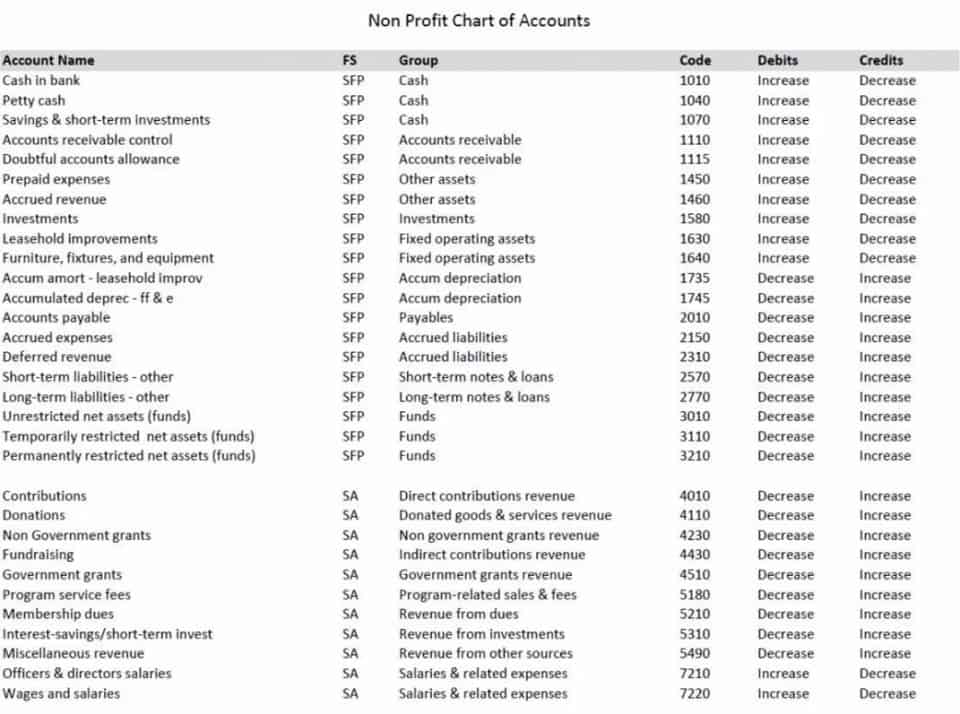
A successful accounts payable team would arrange effective supplier relationships. It means the AP team will arrange favorable accounts payable period without affecting the pricing of purchases for the company. So, whenever a business purchases on credit, it would debit the expense account and credit the AP account.
Everything You Need To Master Financial Modeling
On the other hand, an expense is an obligation that has already been paid or settled. The main difference is that an expense is incurred to generate revenue. Sometimes, liability is partially paid for initially and settled in the future. Accounts payable (AP) refers to the cumulative liability of a business towards its suppliers and creditors. The Accounts Receivable balance can be found on both the Balance Sheet and Income Statement. However, it is important to note that it serves different purposes in each statement.
The corporate treatment is more complicated, because corporations may have a few owners up to potentially thousands of owners (stockholders). The details of accounting for the interests of corporations are covered in Corporation Accounting. Your best bet is to minimize clients with high ratios because you’ll likely end up having to chase payments down. The higher the ratio calculated, the better the business is at collecting customer payments. In this case, you might want to consider offering discounts to encourage early payment. To ensure accuracy, companies should review their AR/TVR calculations periodically.
Large A/R Amounts Can Be Risky
Once your customer pays, you shift that money from accounts receivable to your cash balance. As of January 1, 2018, GAAP requires a change in how health-care entities record bad debt expense. Before this change, these entities would record revenues for billed services, even if they did not expect to collect any payment from the patient.
Therefore, it is important that you manage your accounts receivable carefully. One way to get people to pay you sooner is to make it worth their while. Offering which accounts are found on an income statement them a discount for paying their invoices early—2% off if you pay within 15 days, for example—can get you paid faster and decrease your customer’s costs.
Income Statement Elements: Income and Expense Accounts
You can then record this figure as a line item in your income statement under “Accounts Receivable. Each component reflects different aspects of the company’s operations. Accounts Receivable refers to the money that a business is owed by its customers for goods or services provided. This is an essential part of any business’s financial dealings, as it represents the amount of revenue that has yet to be collected.
- Accounts payable, on the other hand, represent funds that the firm owes to others—for example, payments due to suppliers or creditors.
- A procedures manual ensures that routine tasks are completed in the same manner each time, and the manual allows your staff to train new workers effectively and effortlessly.
- The current ratio is closely related to working capital; it represents the current assets divided by current liabilities.
- Using accounts receivable posts the revenue in the month earned, and your accounting records are consistent with the accrual basis.
- Since this amount is over $0 (it is well over $0 in this case), Chuck is confident he has nothing to worry about regarding the liquidity of his business.